The Stoic virtue of justice reminds us that character isn’t just about improving ourselves, but how we treat others when there’s nothing to gain.
I’ve spent years studying Stoicism, and one of the things I’ve come to appreciate is how much attention we give to the way we manage ourselves. We work on controlling our emotions, responding thoughtfully instead of reacting, and accepting the things outside our control. These are important practices, and they’ve certainly helped me become more aware of my own behavior. But I’ve also come to realize that becoming a better person involves more than learning to manage ourselves. It requires us to consider how our choices affect the people around us.
When we think about character, it’s natural to imagine the bigger moments in life. The difficult decisions, the times when we’re tested, or the situations where doing what’s right requires real courage. Those moments matter, but I think character is developed just as much through the ordinary choices we make every day. The moments when no one is paying attention, when taking the easier path would probably go unnoticed, or when doing the right thing offers us nothing in return.
The Stoic Virtue of Justice Is About More Than Ourselves
Of the four Stoic virtues, justice is one that I believe deserves more attention in our everyday lives. We often associate Stoicism with self-discipline, resilience, or maintaining our composure when things don’t go as planned. But the Stoics also believed we have a responsibility to other people. Justice reminds us that living a good life isn’t simply about improving ourselves. It’s about how we contribute to the lives of others through fairness, honesty, kindness, and the decisions we make.
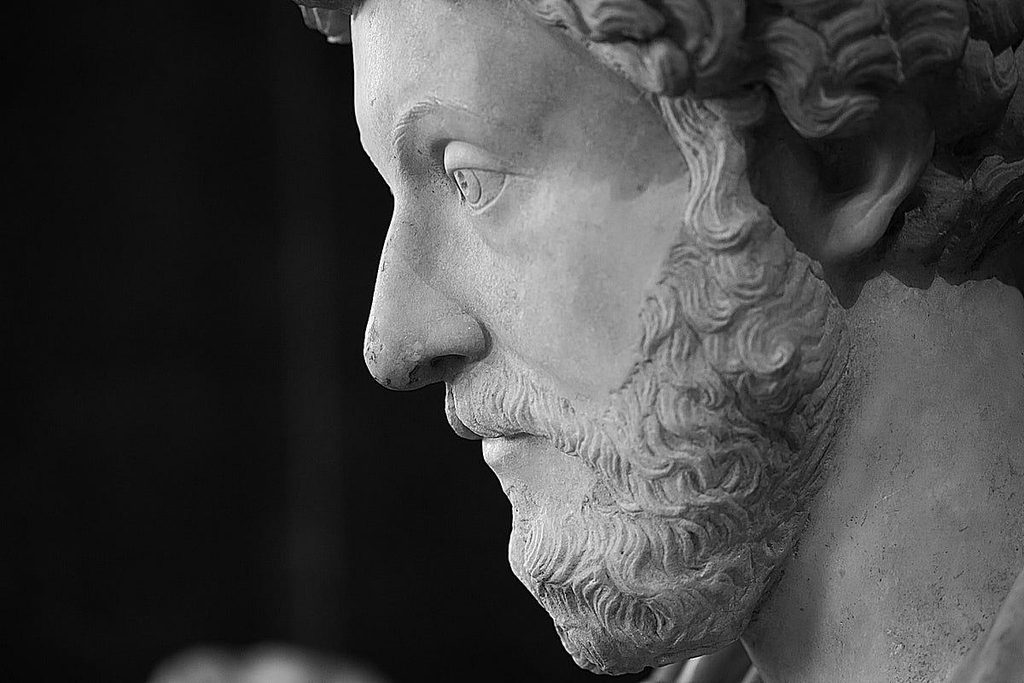
Marcus Aurelius returned to this idea throughout his Meditations. He recognized that we are part of something larger than ourselves and that our actions should reflect a responsibility to the people around us. I find that perspective useful because it’s easy to become so focused on our own growth that we forget why we’re trying to become better in the first place. If becoming more patient doesn’t change how I treat someone who’s struggling, or becoming more disciplined doesn’t make me more dependable to the people who count on me, then I have to question how much progress I’m really making.
I think this is particularly important because it’s possible to appear disciplined, successful, and even principled while still treating people poorly. We can be calm under pressure but dismissive of someone else’s concerns. We can hold ourselves to high standards while being unwilling to acknowledge the contributions of others. We can speak about integrity and still make small exceptions when following through becomes inconvenient. Stoicism challenges us to look beyond how we see ourselves and consider what our behavior actually means to other people.
Character Is Built Through the Choices We Make Every Day
One of the things I’ve learned is that our values are much easier to talk about than they are to consistently practice. Most of us would say honesty, fairness, and integrity are important. We want to believe we’re the kind of people who do what’s right, even when it’s difficult. But those beliefs don’t mean much until we’re faced with a situation where living by them requires something of us.
Sometimes it’s as simple as acknowledging someone else’s contribution when we could easily accept the credit. Other times it’s admitting we made a mistake rather than allowing someone to believe the problem was outside our control. It might mean having a conversation we’ve been avoiding, following through on a commitment when we’re tired, or showing patience toward someone when we have a dozen other things competing for our attention. None of these decisions may seem particularly significant on their own, but together they begin to define the kind of person we are.
I’ve certainly had moments when I’ve fallen short of the standards I believe in. Times when I’ve been impatient, made assumptions, or responded in a way that didn’t reflect the person I want to be. Sometimes I’ve recognized it immediately, and other times it’s taken some honest reflection to see where I could have done better. I don’t think developing character means reaching a point where we no longer make those mistakes. I think it means becoming more willing to recognize them, take responsibility, and make a different choice the next time.
There’s also something important about the decisions we make when nobody else will know. It’s easy to do the right thing when we know someone is watching or when there’s a benefit to being seen doing it. But what happens when correcting a mistake creates more work for us, when being honest might make us look less capable, or when showing generosity offers no recognition? Those are the moments when we have to decide whether our values are truly guiding our behavior or whether we’re simply following them when it’s convenient.
How We Treat Others Reveals What We Value

I think one of the clearest reflections of our character is how we treat people who have nothing to offer us in return. It’s relatively easy to be respectful and attentive toward someone whose opinion matters to our success. But do we offer that same respect to the person who serves our food, answers our questions, or performs work that rarely receives recognition? Do we show the same patience toward someone who disagrees with us as we do toward someone who shares our perspective?
These are questions I try to keep in mind because our behavior can change depending on who we’re interacting with, even when we don’t intend for it to. We may be more patient with someone we admire, more forgiving toward someone we like, or more attentive when we believe a relationship could benefit us. Recognizing those tendencies doesn’t mean we should feel guilty for having them. It means we have an opportunity to examine whether we’re treating people according to our values or allowing personal preferences to determine how much respect someone receives.
The Stoic virtue of justice asks us to consider the dignity and worth of other people, regardless of their position or what they can do for us. That doesn’t mean we have to agree with everyone, avoid difficult conversations, or excuse behavior that harms others. Sometimes treating someone fairly requires telling them something they don’t want to hear. Sometimes it means holding someone accountable because their actions affect other people. But even in those moments, we can choose to treat them with honesty, respect, and consideration.
Doing What’s Right Without Needing Recognition
Another part of character I’ve come to appreciate is learning to do what’s right without expecting anything in return. We naturally want our efforts to be recognized, and there’s nothing wrong with appreciating acknowledgment. But if our willingness to act with integrity depends on someone noticing, then our behavior is being influenced by something outside our control.
Stoicism reminds us that we have responsibility for our choices, not for how those choices are received or rewarded. We can choose to be honest, fair, generous, and dependable, but we can’t guarantee that others will recognize those qualities. There will be times when doing the right thing goes unnoticed, when someone misunderstands our intentions, or when our efforts aren’t appreciated. None of those outcomes changes our responsibility to act according to the values we believe in.
As we celebrate Thanksgiving, I’ve been thinking about the people who have made a difference in my life and the many ways they’ve contributed to the person I am today. I’m grateful for those relationships, but I also recognize that gratitude should be reflected in how I treat those people throughout the year. It’s easy to express appreciation on a day set aside for it. The greater challenge is making sure our everyday choices demonstrate that same appreciation when life gets busy and our attention is pulled in other directions.
Becoming the Person We Want to Be
I don’t believe character is something we establish through a single decision or defining moment. It’s developed over time through the choices we make, the mistakes we’re willing to acknowledge, and the way we treat the people around us. There will always be situations where doing what’s right is inconvenient, where our patience is tested, or where taking the easier path seems harmless. Those moments give us opportunities to practice the values we say are important.
The longer I study Stoicism, the more I understand that becoming a better person isn’t simply about developing greater control over myself. It’s about using that self-awareness and discipline to become more thoughtful, fair, and dependable toward others. I won’t always get it right, and I know there will be times when I look back and wish I’d handled something differently. But I believe the effort to recognize those moments and make better choices is part of what it means to develop character.
When nobody is watching, when there’s no recognition to be gained, and when doing the right thing requires something of us, we still have a choice to make. And perhaps those ordinary decisions tell us more about who we’re becoming than the values we say we believe in.