Stop chasing goals and build systems

I’ve had that moment too many times, I check the clock, and it’s later than it should be. The day felt packed, my inbox got smaller, a few chores got done, and somehow I still feel empty. Busy, but not fulfilled. It’s like running on a treadmill and acting surprised when the scenery never changes.
That feeling is my signal fire. It tells me my Goals are getting crowded out by noise, other people’s priorities, and my own default habits.
Stoicism gives me a blunt but helpful truth: time is my most valuable asset because it’s the one thing I can never have more of or get back. Seneca warned that life doesn’t have to be short, it just gets spent on the wrong stuff. In December 2025, heading into a new year, I want something simple and hard: to live on purpose, even with our modern distractions.
Why I Keep Losing Time
Modern life is built to steal our attention, and I somehow keep letting it. Not because I’m weak, but because the noise is loud and constant. My phone rings and pings like a slot machine. My calendar is a suggestion box for everyone else. And I say yes so fast that I don’t notice I’m giving my life away in small pieces at a time.
Seneca’s point in On the Shortness of Life still hits home: we guard our money, but we hand out our time like it’s endless. If you want a quick refresher on his core message, this overview helps: On the Shortness of Life summary.
When I spend my days like they’re disposable, the cost shows up fast:
- Rushed mornings that set a frantic tone
- Shallow evenings where I’m “home” but not present
- Stress that leaks into my sleep and health
- Weaker relationships because I’m half-listening
- Less patience, which hurts my Leadership at work and at home
The “seductions of society” in 2025
In Seneca’s time, distractions looked like chasing status, applause, luxury, and gossip. In 2025, we’ve just repackaged it. Now it’s notifications, highlight reels, shopping carts, streaming queues, and constant news alerts.
The problem isn’t that any of this exists. The problem is that it is too easy to become the default.
I’ll tell myself I’m taking a quick break, then an hour at night turns into two. I wake up tired, behind, and a little more bitter. Tomorrow feels harder because I traded rest for stimulation, and I didn’t even enjoy it.
Every “Yes” is also a “No”
Every yes I give has a shadow cost.
Yes to email after hours means no to real rest. Yes to back-to-back meetings means no to deep work. Yes to people-pleasing means no to my own Goals. Even yes to “being available” can mean no to the people right in front of me.
When I’m not sure what to do, I ask one question that cuts through the fog: “What did I trade away for this?” If the trade is fair, I proceed. If it isn’t, I adjust.
A Stoic Reset: Turn Goals Into Systems I Can Actually Follow
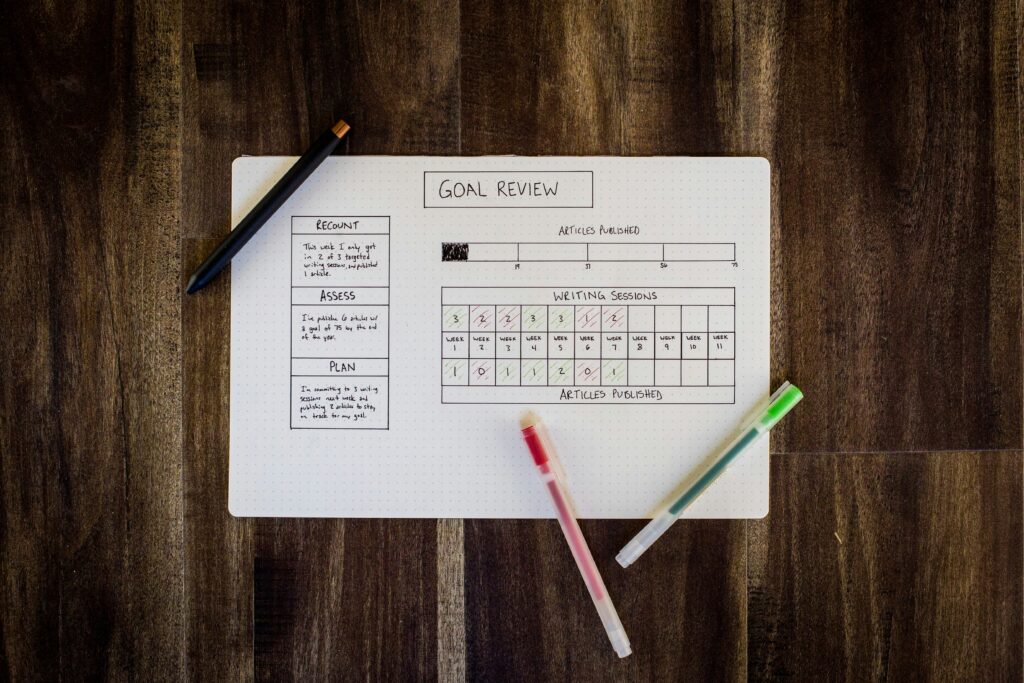
Most people think the answer is more motivation. That is just not true. Motivation is kind of like the weather, it changes. Stoicism pushes me toward something more concrete, systems.
A system is simple: small actions I repeat, even when I don’t feel like it.
That’s why I keep coming back to this reminder, This Year Live on Purpose. The message still holds up, but I’m tightening it into practices I can run on an average Tuesday, not just January 2.
This connects directly to Leadership. If I can’t lead my attention, I’ll struggle to lead people. I’ll react more than I choose. I’ll confuse motion for progress. I’ll model the exact chaos I claim to dislike.
Practice awareness
Awareness is the first system because it exposes the truth. Not the story I tell myself, the truth.
I do two small check-ins:
- 2 minutes at lunch: What’s stealing my focus today?
- 5 minutes at night: Where did my time actually go?
I write down two things:
- My top 3 time drains
- My top 1 meaningful win
That’s it. A note on your phone works. A cheap notebook works. The point is to see patterns.
And I don’t use awareness as a weapon. No shame. It’s data. Stoicism isn’t self-hate, it’s self-command.
If you want a modern explanation of how Seneca frames this problem, this article is worth your time: Seneca on coping with the shortness of life.
Audit commitments
My calendar is where my values either show up or get exposed.
Once a month, I list my recurring commitments and label each one:
- Must: It supports my health, family, core work, or character.
- Helpful: Good, but not essential right now.
- Habitual: I do it because I always have.
Then I trim. I delegate. I delay. I delete.
When I need a boundary at work, I use a script that keeps things calm and clear: “I can do X or Y, not both, what is the priority?” That’s Leadership in practice, honest trade-offs, clear communication, and no hidden resentment.
Saying no is a skill, not just attitude.
Dichotomy of control
Stoicism teaches the dichotomy of control, what’s up to me, and what isn’t.
I can control my choices, focus blocks, sleep routine, and what apps I install. I can’t control other people’s demands, trends, or the economy.
So I stop wrestling with the noise and start choosing responses like these:
- Turn off non-essential notifications
- Set a 20-minute scroll timer
- Pick one time to check email after hours (or none)
These aren’t dramatic moves. They’re quiet decisions that protect my Goals, not others’ priorities.
My “Live on Purpose” Plan for the Year
I don’t want a life that feels like a spreadsheet. I want a life that feels like it’s mine.
So I run a weekly rhythm that’s light enough to repeat and strong enough to guide me:
- One planning session each week (10-20 minutes)
- A short daily check-in (2 minutes)
- One protected block for deep work or meaningful time
- One “recovery move” when I slip (because I will)
Perfection is fragile. Systems are sturdy.
One page, three priorities
I keep a one-page plan with three priorities for the season. Not ten. Three.
Examples: health, relationships, career, growth and learning.
For each priority, I choose one weekly action that proves it matters. If health is real, maybe it’s 10,000 steps a day. If relationships matter, maybe it’s a phone call and one device-free dinner. If career matters, maybe it’s a 60-minute focus block.
My priorities should show up on my calendar, otherwise, they are just wishes.
This is alignment, not perfection.
A weekly review that keeps me honest
Once a week, I do a 10-20 minute review:
- What drained me?
- What mattered?
- What will I change next week?
Then I apply my reset rule: restart at the next meal, the next hour, or the next morning, not next month. Stoicism gives me permission to begin again right now, without all the drama.
Conclusion
My time is my life, and I want more of it to be mine. Seneca’s warning still applies: life feels short when I spend it by default, but it feels wide when I spend it on purpose.
If you want a better year, don’t wait for a mood. Pick one system and start today: an awareness check-in, a commitment audit, or a weekly review. Keep it small, keep it honest, and protect what matters.
Your Goals don’t need more hype or motivation. They need time, defended with calm Leadership.