Churchill’s lessons in courage under pressure
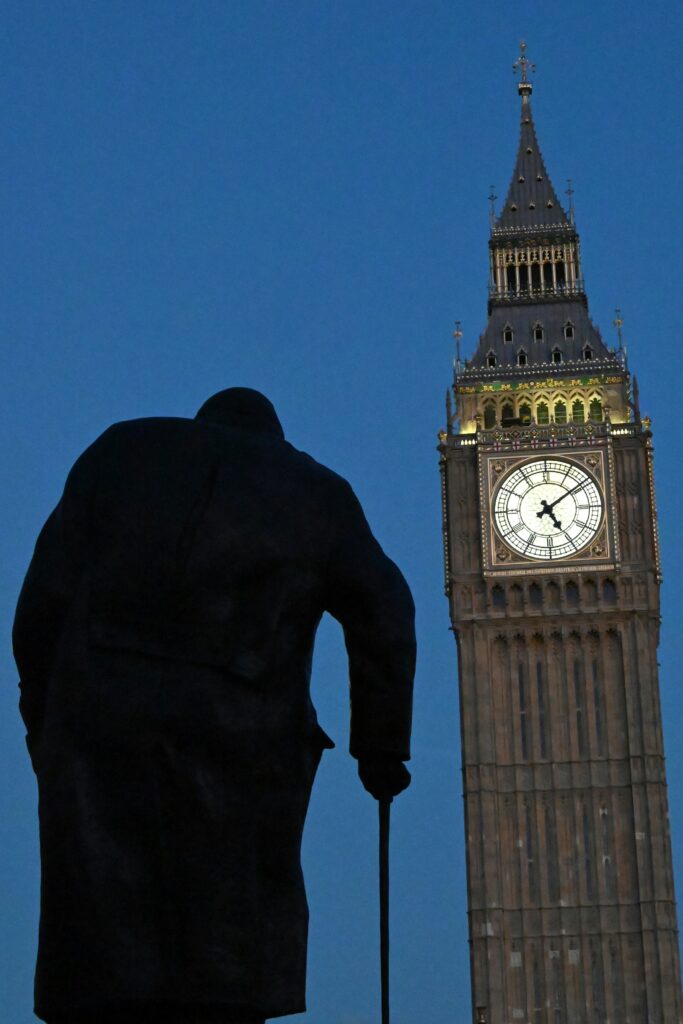
Churchill warned that each of us gets a rare moment, a figurative tap on the shoulder, when we’re offered something “fitted to our talents.” Then he added the hard part: it’s a tragedy if that moment finds us unprepared.
I don’t read that as a call to chase fame. I read it as a practical warning for normal life. A defining opportunity can show up at work, at home, or in a quiet moral choice no one applauds. When it arrives, it doesn’t care how busy I’ve been, or how stressed I feel. It asks one question: am I qualified in skill, calm, and character?
This is my Stoic-friendly guide to getting ready, without hype, so I can step up with steadiness when it counts.
What Churchill’s “finest hour” really means in everyday life
A “finest hour” isn’t always a historic speech or a headline. Most of the time it’s a high-stakes moment that matches what you’re good at, and stretches what you’re not. It might be leading through a layoff, taking over a team after a re-org, telling the truth when it’s risky, or holding a family together when things get messy.
Churchill’s point hits because “unprepared” is usually simple. It looks like a skills gap I ignored, habits I postponed, a body I didn’t take care of, and emotions I never learned to manage. Even worse, it can mean shaky character: cutting corners, people-pleasing, blaming, or hiding when accountability shows up.
Stoicism helps me translate all that into one idea: control what I can control. I can’t schedule the big moment. I can’t force recognition. I can’t make people fair. What I can do is practice the inner parts (judgment, discipline, courage) so I’m not a liability when pressure rises.
If you want to see Churchill’s “finest hour” in its original context, the full “Their Finest Hour” speech text is a reminder that preparation is rarely comfortable.

The opportunity is rarely dramatic, it is usually inconvenient
The tap on the shoulder often feels like bad timing. For professionals and managers, it can look like this:
A director leaves suddenly, and you’re asked to cover “for a few weeks.” A major client escalates, and your name ends up on the meeting invite. A teammate is struggling, and you’re asked to mentor them because you “seem steady.” A promotion opens, but it’s for a messy team with real problems.
None of that looks like destiny. It looks like stress.
Here’s the sentence I keep in my pocket: If it’s inconvenient, it might be important.
Preparedness is not luck, it is what you practice when nobody is watching
Talent is potential. Readiness is proof.
I’ve seen brilliant people freeze because their daily systems were weak. On the other hand, I’ve watched “average” performers rise because they kept promises, wrote things down, asked for feedback, and built trust over time.
Compounding habits aren’t glamorous, but they travel well into any crisis: reading, training, writing clearly, building relationships, and doing what I said I’d do.
My quick self-check is simple: If this chance came in 30 days, what would I wish I had been doing? The answer is usually boring. That’s good news, because it means it’s doable.
Build the kind of readiness that holds up under pressure
When I think about how to prepare for leadership opportunities, I don’t start with a five-year plan. I start with the next 30 to 90 days, because that’s long enough to change a pattern, and short enough to finish.
My framework has three parts: skill, stamina, steadiness. Skill helps me perform. Stamina helps me last. Steadiness helps me stay sane when everyone else spirals. Together, they help me build resilience under pressure and emotional control at work, without turning my life into a grind.
Strengthen your “skills stack” without burning out
I keep this practical. I pick:
- 1 core skill I can’t avoid (clear writing, communication, decision-making, negotiation).
- 1 supporting skill that increases my range (data basics, AI literacy, project planning).
Then I practice in small blocks. Twenty minutes a day beats a heroic weekend once a month. I also try to create “proof of work,” like a one-page template, a short memo, or a repeatable checklist. It gives me something real to show, and it forces clarity.
Most importantly, I ask for stretch tasks early, before the big moment arrives. A small leadership rep now prevents a public failure later.

Train emotional control like it is part of the job
Pressure doesn’t only test competence. It tests temperament.
In a defining moment, my biggest threats aren’t usually a lack of knowledge. They’re nerves, ego, anger, and fear. Those four can turn a good plan into a bad performance.
So I train emotional control like I train anything else. Three Stoic-style tools help me most:
First, I pause and label the emotion (anger, embarrassment, anxiety). Naming it lowers the heat. Next, I separate facts from stories. “They disagreed” is a fact. “They’re trying to humiliate me” is usually a story. Finally, I choose the next right action, even if I don’t like the feeling.
For tough meetings, I use a short script: Breathe once, clarify the goal, then ask one clean question: “What outcome are we deciding today?”
That tiny pause is a performance advantage. I wrote more about the habit in the power of the Stoic pause, because the space between stimulus and response is where my leadership either shows up, or falls apart.

Spot your moment, then step into it with courage and humility
Readiness matters, but so does recognition. Sometimes the “tap” arrives and I explain it away. I tell myself it’s not the right time, or I’m not the right person. That sounds humble, but it’s often fear wearing a nicer outfit.
When an opportunity shows up, I try to meet it with courage and humility at the same time. Courage says, “I’ll attempt this.” Humility says, “I’ll learn fast, and I’ll get help.”
Signs you are being “tapped,” and how not to talk yourself out of it
A defining opportunity has patterns. I watch for these signals:
People ask for my opinion before they decide. Problems start landing on my desk “because you’re good at this.” I get invited into harder rooms, especially cross-functional ones. My calendar fills with uncomfortable conversations. A leadership gap opens and nobody rushes to fill it. I feel both excited and scared, which usually means it matters.
Then the avoidance stories arrive: “I’m not ready.” “Someone else is better.” “I’ll wait until things calm down.”
My reframe is blunt: I don’t need full confidence, I need a next step. A single meeting, a single draft, a single ask for support.
A short decision filter that keeps you aligned with your values
When I’m not sure whether to say yes, I run four questions:
- Is this within my control to attempt? I can’t control outcomes, but I can control effort and conduct.
- Does it serve others? Not perfectly, just meaningfully.
- Will it grow my character? If it only grows my ego, I’m cautious.
- What cost can I accept? Time, reputation risk, learning curve, impact on family.
If I say yes, I make a micro-plan: prepare for 30 days, ask for support early, set boundaries, and review weekly. For a deeper Stoic take on staying steady when the future is unclear, I come back to Stoic leadership in uncertainty. Uncertainty doesn’t block a finest hour, it often delivers it.
Conclusion
Churchill’s warning still holds: the moment might be rare, but preparation is daily. I can’t control when the tap comes, yet I can control whether my habits make me useful when it does.
This week, I’d pick one readiness habit (20 minutes of skill practice, a walk for stamina, a daily pause for steadiness). Then I’d have one conversation I’ve been avoiding, with a mentor, a manager, or my partner at home.
The tragedy isn’t missing a spotlight. The tragedy is having the chance to do the right thing, and realizing I never trained for it. I can choose readiness now.