Simple habits to build self control

What if the reason you feel shaky under pressure isn’t a lack of talent or grit, but a lack of practice? Most days, I arrange my life to avoid friction. I warm the car before I drive. I check my phone the second I’m bored. I snack the moment I feel the dip. Then I wonder why small problems feel bigger than they should.
So I run a simple experiment: a week of small discomforts. Nothing extreme. Nothing that wrecks my schedule. Just seven tiny, safe moments where I choose “a little hard” on purpose.
This is Stoic-friendly in the best way. It’s training, not punishment. I’m not trying to prove I’m tough. I’m trying to prove I’m steady. For one week, I practice staying calm when my body protests, my ego flares, or my habits start tugging the leash.
In this post, I’ll share the seven discomforts (cold rinse, awkward talk, delayed snack, and more) and a reply-friendly tracker you can copy, paste, and fill in as you go.
Why small discomforts make me mentally stronger
My mind learns fastest when the stakes are low. If I only practice calm when life is calm, I’m not practicing anything. I’m just enjoying a good day.
Small, voluntary discomforts work like light weights for my attention and self-control. I feel the urge to escape, then I don’t. I feel the urge to rush, then I slow down. That’s the whole rep.
Over time, three things start to happen:
1) I stop treating discomfort like danger.
A cold rinse feels bad, but it isn’t a crisis. A hard conversation feels risky, but it usually isn’t fatal to my reputation. When I see that clearly, I waste less energy on avoidance.
2) I build trust with myself.
Every time I do the tiny hard thing, I get evidence. Not motivation, evidence. I can handle a little “no.” I can sit with an urge. I can start the task I’ve been dodging.
3) My reactions get slower and cleaner.
The gap between “I don’t like this” and “I must fix this right now” gets wider. In that gap, I get to choose.
What “safe discomfort” means
Safe discomfort should feel like mild friction, not like harm. I use these guardrails:
- No medical risk. If you have a condition that makes a task risky, swap it.
- No driving risk. No “discomfort” that lowers attention on the road.
- No shame or humiliation. I’m not here to embarrass myself for points.
- Stop if pain or panic spikes. Mild nerves are fine. Escalating distress is not the assignment.
- Adapt for your body and your life. This should fit a normal week.
Also, this challenge doesn’t include extreme versions of anything. I’m not doing ice baths, sleep deprivation, or aggressive fasting. If a “challenge” trashes your next day, it’s not training, it’s a mess.
I practice choice, not comfort
Stoicism keeps pulling me back to one clean idea: I can’t control the world, but I can control my response. Voluntary discomfort is how I practice that before life forces it on me.
The goal isn’t to look fearless. It’s to become less governed by reflex. When I pick a small discomfort on purpose, I’m telling my mind, “We decide. We don’t beg our moods for permission.”
A reframing line I use when my body complains: This is unpleasant, not unsafe.
Who should skip or modify this challenge
If any of these apply, I’d modify the week or skip parts of it:
- Pregnancy
- History of eating disorders or current food anxiety
- Uncontrolled blood pressure
- Panic disorder that’s easily triggered by body stress
- Cold sensitivity or cold-triggered conditions
- Injury recovery
- Diabetes or blood sugar issues
- Any medical advice that conflicts with these tasks
Simple swaps keep the spirit without the risk. If cold water is a no, I choose a different discomfort like tidying one drawer I’ve avoided. If delaying food is risky or triggering, I delay a non-food treat (scrolling, email checking, or a coffee refill). The point is practice, not perfection.
7 tiny actions for a steadier mind
Here’s the structure I use: one main discomfort per day, about 5 to 10 minutes, plus a 30-second reflection. Repetition is allowed. If Day 2 is the hardest, I might repeat it later. Consistency matters more than variety.
Each day below includes what I do, why it works, safety notes, and an easier option.
Day 1: The 30-second cold rinse
What I do: At the end of a normal shower, I turn the water cool for 15 to 30 seconds. I breathe slow through my nose and drop my shoulders. I try to keep my face soft. (If that is comfortable, then try the cold tub, I have been doing it for a few years, 38 degrees, 5 min every morning).
Why it works: My body shouts, “Fix this.” I practice not obeying the shout. It’s a clean way to rehearse calm under stress, because the stress is simple and temporary.
Safety: I skip this if I’m dizzy, have a fainting history, or have cold-triggered issues. I keep it brief, and I stop if I feel lightheaded.
Make it easier: I splash cool water on my face, or I hold a cool glass to my wrists for 20 seconds.
Day 2: One awkward conversation I have been avoiding
What I do: I choose a low-stakes but real conversation. I clarify a deadline. I ask for feedback. I set a small boundary. I apologize without excuses.
A script that keeps me honest: “When X happens, I feel Y, I need Z.”
Example: “When meetings start late, I feel rushed, I need us to begin on time or I’ll step out at the scheduled end.”
Why it works: Avoidance trains my fear. One clear conversation trains my courage. I also learn that I can be direct without being harsh.
Safety: I don’t pick a conversation that could put me at risk. I choose a calm setting, and I avoid public blowups.
Make it easier: I start with a short, respectful text. “Can we talk for five minutes today? I want to clear something up.”
Day 3: Delay a snack, scroll, or coffee by 10 minutes
What I do: I pick one craving today. When the urge hits, I set a 10-minute timer. I drink water. I notice what the urge does in my body. Tight chest, restless hands, bargaining thoughts, all of it.
Why it works: Urges rise and fall like waves. When I watch one pass without feeding it, I get proof I’m not owned by impulse. That’s useful in food choices, spending, angry replies, and doom-scrolling.
Safety: I don’t delay food if it’s medically needed, and I skip this if it triggers disordered eating patterns.
Make it easier: I delay by 3 minutes, or I delay something non-food (checking email, opening social apps).
Day 4: The “boring first” task sprint
What I do: I choose the task I’ve been avoiding most. I set a 10-minute timer and start. Inbox triage. Paperwork. Drafting the hard email. Preparing for the call I keep postponing.
Why it works: My brain wants comfort first, progress second. This flips the order. It trains me to act on values, not feelings, which is the heart of steadiness.
Tip: I remove distractions. One tab. Phone facedown.
Make it easier: Five minutes counts. If even that feels heavy, I just open the document and write the first sentence.
Day 5: Ask for a small “no” on purpose
What I do: I make a reasonable request with a real chance of rejection. I ask for a meeting time that’s slightly inconvenient. I ask for a small discount. I ask for a favor that someone might decline.
Why it works: Fear of “no” makes me shrink my life without noticing. One small ask teaches my nervous system that rejection is uncomfortable, not catastrophic. It also makes me more assertive in a clean, respectful way.
Safety: I keep it ethical. No guilt trips. No pressure. I accept the answer.
Make it easier: I ask for information, not a favor. “Can you point me to the right person to talk to about this?”
Day 6: Leave a tiny comfort behind
What I do: I pick one mild comfort to skip for the day. No background noise while I work. One less pillow. No sugar in coffee. Park farther away. Keep the AC a bit warmer (or the heat a bit cooler).
Why it works: Comfort can become a quiet demand. This resets me. I remember I can function without perfect conditions, which keeps me from getting fragile.
Safety: I don’t compromise health. If heat is risky, I don’t play games with temperature. If sleep is already poor, I don’t make it worse.
Make it easier: I reduce instead of remove. Half the sugar. Fifteen minutes without earbuds.
Day 7: The “quiet walk” with no inputs
What I do: I take a 10 to 20-minute walk with no podcasts, no music, and no scrolling. Phone stays in my pocket. I notice sounds, body sensations, and the stories my mind tells when it doesn’t get fed.
Why it works: A steady mind needs attention training. Quiet walking shows me how quickly I chase distraction. It also gives my emotions room to settle without me poking them.
Safety: I choose a safe route and stay aware of my surroundings. No zoning out in risky areas.
Make it easier: Five minutes is enough. If walking isn’t possible, I sit on a bench and breathe, eyes open, for a few minutes.
My simple tracker, plus the 2-minute reflection that makes it stick
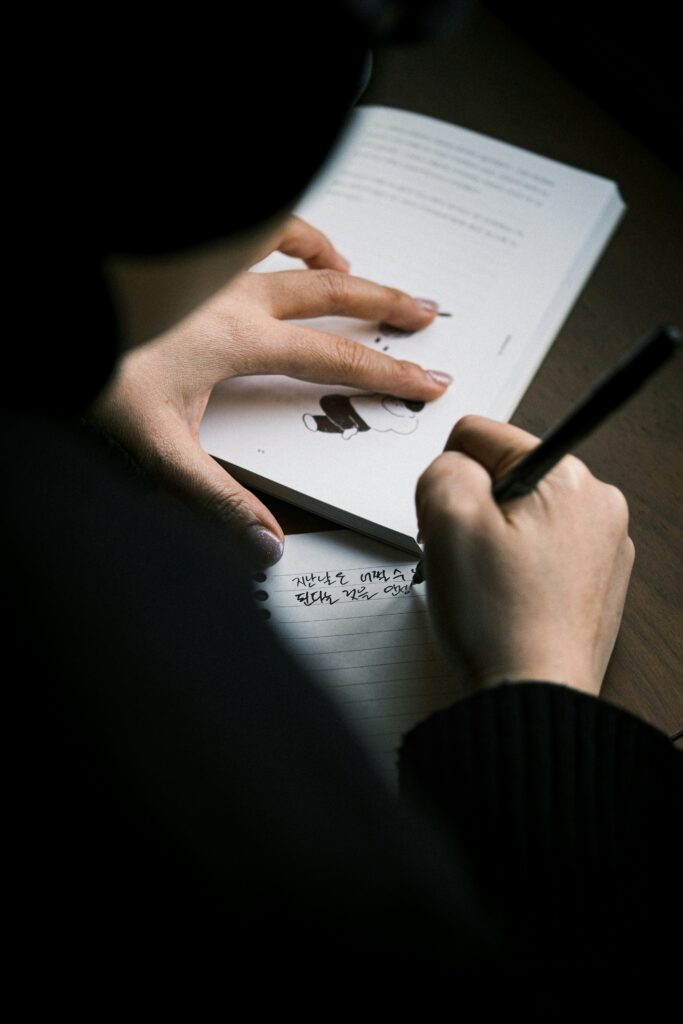
If I don’t track it, I forget it. Not because I’m lazy, but because my brain loves “fresh starts” and hates “follow-through.” A simple tracker fixes that.
I keep it basic: check it off, rate the discomfort, then write one sentence about what I learned. That one sentence matters because it turns the week into a lesson, not just a stunt.
Here’s how I use it:
Daily (under 2 minutes):
- Mark Done (Y/N)
- Rate discomfort from 1 to 5
- Write one sentence, even if it’s messy
End of week (5 minutes):
- Circle the hardest day
- Circle the most useful day
- Pick one discomfort to keep 2 times per week
You’ll learn your patterns fast. Maybe cold is easy but social tension wrecks you. Maybe delayed cravings are fine, but quiet time feels loud. That’s not a failure, it’s a map.
Copy and paste tracker readers can reply with
- Day 1 Cold rinse: Done (Y/N), Discomfort (1-5), What I learned (one sentence)
- Day 2 Awkward conversation: Done (Y/N), Discomfort (1-5), What I learned (one sentence)
- Day 3 Delay a craving 10 min: Done (Y/N), Discomfort (1-5), What I learned (one sentence)
- Day 4 Boring first sprint: Done (Y/N), Discomfort (1-5), What I learned (one sentence)
- Day 5 Ask for a small “no”: Done (Y/N), Discomfort (1-5), What I learned (one sentence)
- Day 6 Skip a tiny comfort: Done (Y/N), Discomfort (1-5), What I learned (one sentence)
- Day 7 Quiet walk: Done (Y/N), Discomfort (1-5), What I learned (one sentence)
Hardest day:
Most useful day:
One thing I will keep:
The reflection: what I controlled, what I judged, what I will do next
The discomfort is the practice. The reflection is the lesson. I keep it short so I’ll actually do it.
What did I control today?
Name the action you took, even if it was small.What story did my mind tell?
“This is unbearable.” “They’ll think I’m rude.” “I need this snack or I can’t focus.” Write the story plainly.What is my next small step?
Not a grand plan. A next step you could do tomorrow in under 10 minutes.
Honesty beats intensity here. If you miss a day, you don’t “start over.” You just do the next small discomfort like an adult who respects their own effort.
Conclusion
A steadier mind usually isn’t built in big moments. It’s built in small ones, the kind you can repeat on a random Tuesday. This week-long challenge gives me seven safe chances to practice that skill: feel discomfort, stay present, choose my response.
Pick your start day. Modify anything that isn’t safe for you. Keep it simple enough that you’ll finish, because consistency is where the change shows up.
If you want a clean next step, commit to one day within the next 24 hours. Copy the tracker, fill in Day 1, and share your results when the week ends. What surprised you most, the discomfort itself, or the stories your mind told about it?