
Simon Sinek has a sharp way of putting things. In one of his talks I saw he says there are two kinds of people in the world:
- People who see what they want, and
- People who see the thing that keeps them from getting what they want.
Simple line, big difference.
The first group locks onto the goal. The second group stares at the wall in front of the goal. One group thinks, “How do I move?” The other thinks, “Why is this so hard?”
This split shows up in school, at work, and in families. It also lines up with old Stoic ideas about how to live well. At its core, it is about where you place your attention and how you use leadership and discipline in everyday life. This is where Stoicism, Leadership, and Discipline meet in real life.
Understanding These Two Perceptions Through a Stoic Lens
Sinek’s quote is short, but it points to a deep habit. You can see it as two stories people tell themselves.
Type 1 people tell a story about the target. Type 2 people tell a story about the block. Stoic thinkers would say the first group puts energy into choice, and the second group puts energy into complaint.
Type 1: People Who See What They Want and Move Toward It
Type 1 people start with a picture. They see the grade, the job, the strong team, or the healthier body. That picture pulls them forward.
They ask, “What can I do now?” They focus on actions, the things inside their control. That is classic Stoicism: you cannot control the world, but you can control your response.
Think of a student who wants better grades. Instead of blaming the teacher, they plan study blocks and ask for help. Or a new manager who wants a better team culture. They start by modeling clear feedback and keeping their own promises. This way of thinking is quiet leadership. It turns discipline into something you do every day, not just when life feels easy.
Type 2: People Who Only See What Is Blocking Them
Type 2 people see the wall, not the goal. Their thoughts sound like this: “I do not have time. No one helps me. The system is broken.”
Their attention stays on what is missing. That mindset feeds stress and anger. This gives power to what you cannot control.
Picture someone who blames the market, their boss, or the economy for every setback. They talk a lot about what is wrong, but they rarely ask, “What can I try?” This weakens leadership. It also drains discipline, because why try if everything is someone else’s fault?
What Stoicism Teaches About Obstacles and Opportunity
Stoicism does not pretend problems are fake. A Stoic leader sees the obstacle clearly. They just refuse to stop there.
The key idea is simple: the problem can become the path if you choose the right response. A hard project can train skill. A rude client can train patience. A failed plan can train courage.
In modern life, this means you pair clear eyes with action. You accept that trouble is real, then you look for the next useful step. That is how Stoic thinking turns blocks into training, and how self discipline grows stronger over time.
How to Shift From Obstacle-Focused to Goal-Focused Using Stoic Discipline
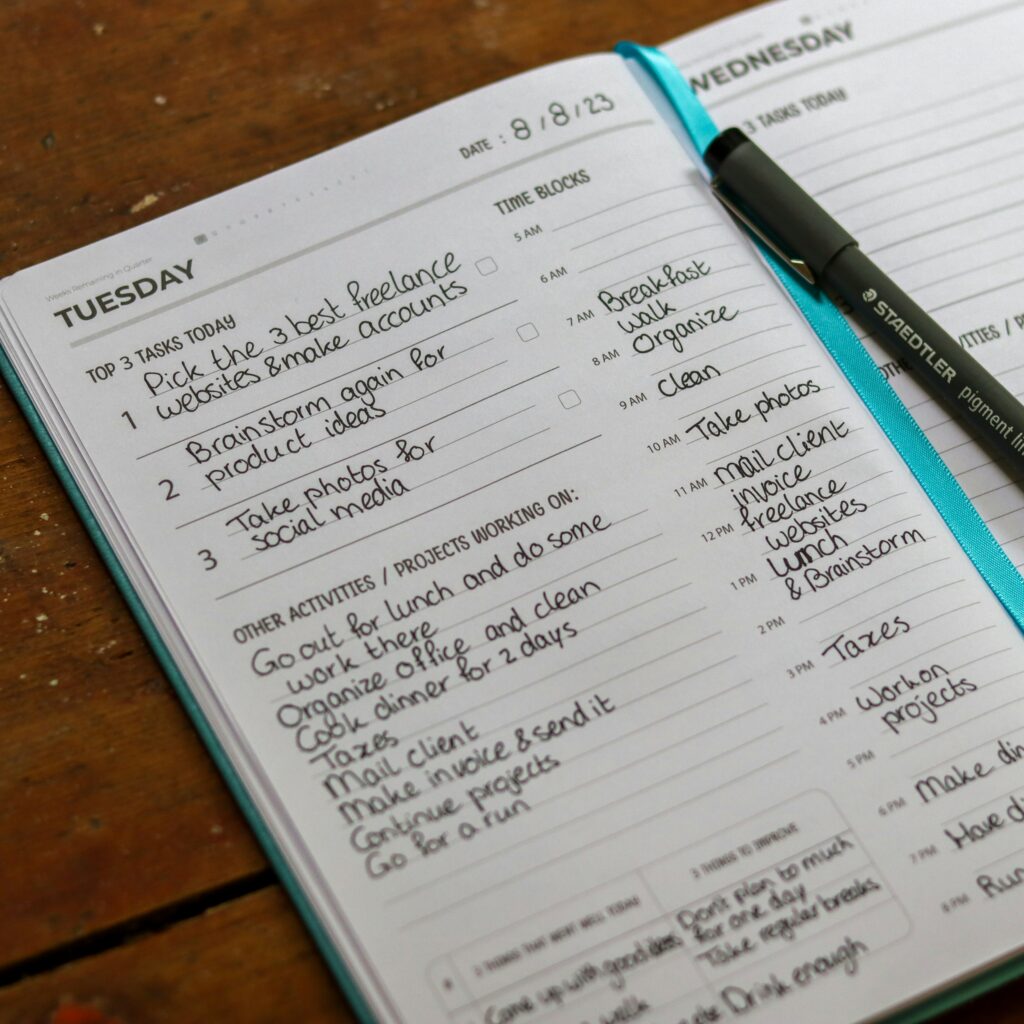
You are not stuck as Type 1 or Type 2 forever. You can choose which pattern you practice each day.
Here is a simple four-step way to shift your focus, using Stoic ideas, leadership habits, and steady discipline.
Step 1: Get Clear on What You Really Want as a Leader
Many people complain without a clear goal. They talk about stress, unfair rules, or lazy teammates, but they never say what they actually want.
Start with one simple sentence. For example:
“I want to be a calm leader under pressure.”
“I want a team that hits deadlines without drama.”
“I want to improve my health this year.”
Write it down. Keep it short and clear.
Stoicism starts with values. When you know what matters, your brain starts to search for paths instead of excuses. Clarity cuts noise. It turns a vague wish into a target you can move toward.
Step 2: Separate What You Can Control From What You Cannot
This is the classic Stoic control test. Take your goal and ask two questions:
- What parts are in my control?
- What parts are outside my control?
In your control: your effort, your attitude, your words, how you plan, how you treat people.
Not in your control: the past, other people’s reactions, the economy, random luck.
Strong leadership starts when you own what is yours and drop the rest.
For example, instead of saying, “My team never listens,” try, “I will listen first, ask better questions, and set clear expectations.” The complaint turns into an action step. You move from Type 2 thinking to Type 1 in a single sentence.
Step 3: Build Small Daily Habits of Discipline Around Your Goal
Discipline is not about huge bursts of willpower. It is about small, repeatable actions that match your goal.
Here are three simple habit ideas:
- Daily reflection: At the end of the day, write down what went well and what you can improve tomorrow.
- Morning planning: Spend five minutes choosing your top one or two tasks that move your main goal.
- One hard thing first: Do one hard, useful task before you open email or social media.
These habits echo Stoic practice: regular reflection, control over impulses, and steady effort. When you repeat them, a Type 1 mindset starts to feel normal. You become the kind of person who moves, even when life is messy.
Step 4: Use Obstacles as Training for Stronger Leadership
Obstacles will not stop showing up. Projects fail, clients leave, plans get delayed. You cannot pick a life with no problems.
You can pick how you train with them.
When something goes wrong, ask, “If I were a Stoic leader, how would I respond to this?” Take a project that falls apart. A Type 2 response is, “This always happens, people are useless.” A Stoic Type 1 response is, “What can I learn about planning and communication from this? What will I do different next time?”
Each setback becomes a small workout for patience, courage, or creativity. The problem still hurts, but it no longer owns you.
Living as a Stoic Leader: Choosing Your Kind of Person Every Day
This is not about being perfect. It is about picking your story, one day at a time.
You can wake up and act like Type 2, staring at traffic, email, and drama. Or you can wake up and act like Type 1, holding a clear goal and choosing your next move.
Over time, your daily choices shape your identity. The way you handle small annoyances at home is the same pattern you bring to big problems at work. When you practice Stoic habits in both places, your leadership and discipline start to match your values, not your moods.
Simple Daily Check-In: Which Kind of Person Am I Being Today?
Use a quick daily check-in.
Ask yourself, “Am I mainly seeing what I want, or am I only seeing what is in the way?” Be honest. No judgment, just data.
Then pick one small action that moves you toward your goal, even if the problem is still there. Send the hard email, start the workout, admit the mistake, plan the fix.
That is how you live Stoicism, not just read about it. It is how you show better leadership in small, quiet moments with your family, friends, and teams.
Conclusion
Simon Sinek’s idea of two kinds of people points to two mindsets. One sees the goal and moves. The other sees the block and freezes. Stoic thinking gives you tools to become the first kind, even when life throws real problems in your path.
The steps are simple, but not easy: get clear on your goal, focus on what you can control, build daily discipline, and treat obstacles as training for stronger leadership. When you do that, you start to live the link between Stoicism, Leadership, and Discipline in a very concrete way.
Today, notice your mindset. Then choose one small Stoic action that pulls you closer to what you want.